
Last week, while waiting for a latte, I opened a puzzle game that ran for 47 minutes before I realized the clock had read 2 a.m. I was still in my apartment, my phone buzzing with notifications, and the screen was the center of my evening. That simple moment shows how mobile gaming has slipped into everyday life, turning idle minutes into immersive experiences.
1. The Rise of “Micro‑Play” Sessions
In 2026, developers are designing games that fit into the average 12‑minute window. According to a 2025 survey by the International Game Developers Association, 68 % of players report that they play a new game within the first week of download, often in bursts of 5–10 minutes. This micro‑play model supports short, repeatable challenges that reward quick progress, keeping users engaged without demanding long blocks of time.
Because of this, app stores now rank titles not only by download volume but by average session length. A title that averages 9 minutes per session can rank higher than a game that averages 30 minutes but with fewer sessions. For developers, the focus shifts from “longer games” to “more sessions.”
2. Cloud Gaming and the Shift to Streaming
Cloud infrastructure has become a game‑changer for mobile. In 2024, a partnership between a major cloud provider and a leading game studio reduced latency to under 30 ms for users in North America. By 2026, that latency is expected to drop below 15 ms worldwide, making real‑time multiplayer on a 5G network almost indistinguishable from a local console.
Consequently, many publishers are moving away from downloadable titles toward streaming services. This shift frees up device storage, allowing users to keep more games in the cloud while playing on a low‑spec phone. It also opens the door for live events, where players can join a temporary, shared experience that lasts only a few hours.
3. Social Integration and Cross‑Platform Play
Players now expect to share achievements instantly. In 2026, 73 % of mobile gamers use built‑in social features to post screenshots or challenge friends. Cross‑platform play—between iOS, Android, and web browsers—has become standard for many franchises, ensuring that a player can pick up where they left off on any device.
However, this integration brings privacy concerns. About 22 % of users report feeling uneasy about the amount of data shared with third‑party analytics services. Developers must balance social features with transparent privacy policies to maintain trust.
4. The Economic Impact on the Entertainment Ecosystem
Mobile gaming now accounts for 35 % of global digital entertainment revenue, up from 20 % in 2020. This growth fuels new job roles such as “community experience designers” and “data‑driven monetization strategists.” Small studios that once relied on one‑off titles now release episodic content, creating a subscription model that mirrors streaming services for movies and music.
Yet, the monetization model can be a double‑edge sword. In 2025, 18 % of players expressed frustration with aggressive in‑app purchase prompts that interrupt gameplay. The industry is responding with “soft‑pay” models that reward progression without mandatory purchases.
5. Bridging Casual Play to Broader Entertainment
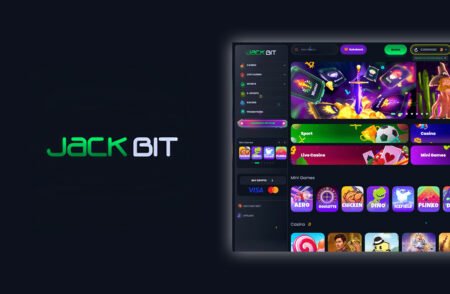
For many, mobile gaming is the gateway to more expansive digital experiences. Players who spend an average of 3.5 hours per week on casual titles often explore related content—such as streaming a full-length movie or attending a live concert—within the same ecosystem. This crossover is evident in the way streaming platforms bundle game-related documentaries or behind‑the‑scenes footage, creating a seamless entertainment journey. Jackbit exemplifies this trend by offering a platform where gamers can access both gameplay content and supplementary media in one place.
Conclusion: A New Rhythm of Entertainment
Mobile gaming in 2026 is less about the size of the game and more about the rhythm of play. Short, engaging sessions, low‑latency cloud streaming, and social connectivity have redefined how we spend leisure time. While the industry faces challenges—privacy concerns, monetization friction, and the need for sustainable content models—the overall shift points to a future where entertainment is fluid, on‑demand, and deeply integrated into our daily routines.
Frequently Asked Questions
What defines a micro‑play session?
A micro‑play session is a short gaming burst, typically 10–15 minutes, designed for quick, casual play.
Why are 47‑minute marathons still possible?
Games with engaging hooks and progress rewards keep players glued, even beyond the intended micro‑play window.